- yogeshbansod490@gmail.com
- +91 7021595217 / 9619009004
- Mon - Sat: 09:00am to 06:00pm



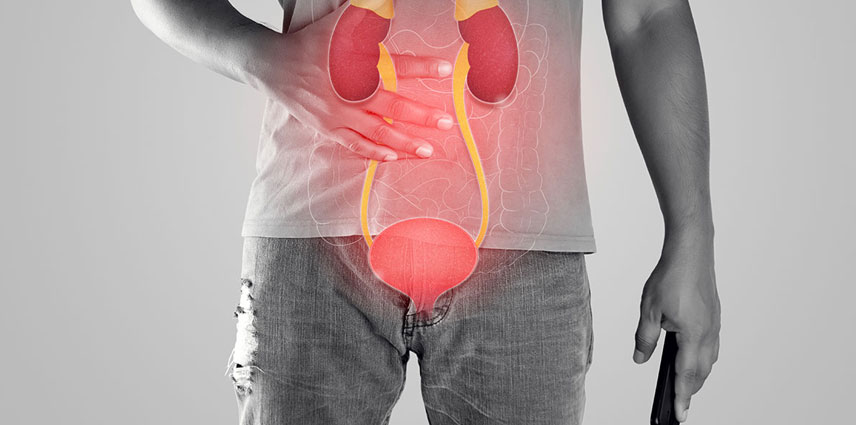
Specialized Urological Oncology & Advanced Surgical Management
Urological cancers encompass a wide range of malignancies affecting the urinary tract (kidneys, bladder, ureters, and urethra) and the male reproductive system (prostate, testes, and penis). If you are seeking a highly specialized Urological Cancer Surgeon in Marine Lines, South Mumbai or a Urological Cancer Surgeon in Vashi, Navi Mumbai, our practice provides access to the latest surgical innovations. Early detection through regular screenings and specialized urological assessments is vital for ensuring the best possible prognosis.
Comprehensive Uro-Oncology Services in South Mumbai & Navi Mumbai
As a leading Urological Cancer Surgeon in Vashi, Navi Mumbai and South Mumbai, we focus on high-precision diagnostics. We utilize advanced tools such as MRI-ultrasound fusion biopsies for prostate cancer and narrow-band imaging for bladder tumors. These technologies allow for more accurate staging and personalized treatment planning.
Signs and Symptoms: Patients should be alert to symptoms such as hematuria (blood in urine), persistent pain in the back or side (flank pain), or significant changes in urinary frequency. For residents in Marine Lines, Churchgate, or Vashi, early consultation with a specialist can make a critical difference in treatment outcomes.
Surgical Excellence: Robotic & Minimally Invasive Approaches
Our surgical philosophy centers on Minimally Invasive Surgery (MIS). As a premier Urological Cancer Surgeon in Marine Lines, South Mumbai, we utilize laparoscopic and robotic-assisted techniques to maximize precision and minimize patient downtime.
- Partial & Radical Nephrectomy: We specialize in "nephron-sparing" surgery (Partial Nephrectomy) to remove kidney tumors while preserving healthy kidney tissue, frequently performed robotically at our Vashi, Navi Mumbai center.
- Radical Cystectomy & Urinary Diversion: For muscle-invasive bladder cancer, we perform radical removals coupled with complex reconstructions like ileal conduits or orthotopic neobladders.
- Radical Prostatectomy: Utilizing robotic systems to remove the prostate with the goal of preserving nerve function and urinary continence.
- Testicular Cancer Surgery: Expertise in High Inguinal Orchidectomy and Retroperitoneal Lymph Node Dissection (RPLND) for advanced testicular malignancies.
- Anterior Exenteration: Specialized surgery for invasive bladder cancer in females, offering a comprehensive oncological solution through MIS in South Mumbai and Navi Mumbai.
Why Choose Our Urological Oncology Centers in Vashi & Marine Lines?
Choosing an expert Urological Cancer Surgeon in Vashi, Navi Mumbai or Marine Lines, South Mumbai means receiving care that is both technically advanced and patient-centric. Our multidisciplinary approach ensures that surgical pathways are seamlessly integrated with medical oncology, including targeted therapy and immunotherapy for advanced renal and bladder cancers.
Our commitment to Urological Cancer Surgery in South Mumbai (Marine Lines) and Navi Mumbai (Vashi) ensures that patients benefit from reduced hospital stays, lower infection rates, and superior functional outcomes.
For expert surgical planning and specialized urological care, contact Dr. Yogesh Bansod, leading Urological Cancer Surgeon in Marine Lines, South Mumbai & Vashi, Navi Mumbai.
Expert Uro-Oncology Consultation
For quick queries regarding kidney, bladder, or prostate cancer, connect with us via WhatsApp:
WhatsApp: 70215 95217 WhatsApp: 96190 09004Serving patients across South Mumbai (Churchgate/Marine Lines) and Navi Mumbai (Vashi/Nerul).