- yogeshbansod490@gmail.com
- +91 7021595217 / 9619009004
- Mon - Sat: 09:00am to 06:00pm


Specialized Thoracic Oncology & Advanced Chest Surgery
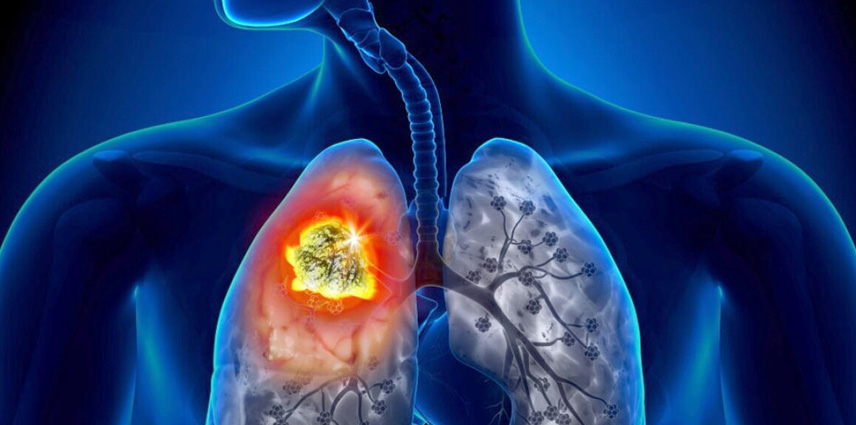
Thoracic oncology involves the diagnosis and surgical management of malignancies within the chest cavity, including the lungs, mediastinum, esophagus, and chest wall. If you are seeking a highly experienced Thoracic Cancer Surgeon in Marine Lines, South Mumbai or a Thoracic Cancer Surgeon in Vashi, Navi Mumbai, our practice offers access to world-class surgical expertise. With lung cancer being a leading health concern, our approach prioritizes early intervention and the preservation of lung function.
Comprehensive Lung & Mediastinal Cancer Care in South Mumbai & Navi Mumbai
Effective treatment begins with a precise diagnosis. As a leading Thoracic Cancer Surgeon in Vashi, Navi Mumbai and South Mumbai, we utilize advanced staging techniques such as EBUS (Endobronchial Ultrasound), PET-CT, and high-resolution imaging to determine the most effective course of action. We specialize in treating Non-Small Cell Lung Cancer (NSCLC), Small Cell Lung Cancer (SCLC), and rare conditions like Pleural Mesothelioma and Thymomas.
Recognizing Symptoms Early: Persistent cough, hemoptysis (coughing up blood), chest tightness, and unexplained breathlessness are critical signs. Residents in Marine Lines, Churchgate, or Vashi experiencing these symptoms should consult a thoracic specialist immediately for evaluation.
Minimally Invasive Thoracic Surgery: VATS & RATS
We are at the forefront of surgical innovation, offering procedures that minimize physical trauma. As an expert Thoracic Cancer Surgeon in Marine Lines, South Mumbai, we focus on Minimally Invasive Surgery (MIS) to ensure patients recover faster with significantly less post-operative pain.
- Video-Assisted Thoracic Surgery (VATS): A keyhole surgical technique used for lung resections (lobectomy/segmentectomy) that avoids a traditional large thoracotomy incision.
- Robotic-Assisted Thoracic Surgery (RATS): For patients visiting our Vashi, Navi Mumbai center, we provide robotic precision for complex mediastinal tumors and lung cancers, offering superior 3D visualization.
- Chest Wall Resection & Reconstruction: Advanced surgical management for tumors involving the ribs or sternum, ensuring structural integrity after tumor removal.
- Sleeve Resection: A lung-sparing surgery that removes the tumor while rejoining the healthy parts of the airway, avoiding the need for total lung removal (pneumonectomy).
Integrated Oncology Care in Vashi & Marine Lines
Thoracic malignancies often require a combination of surgery, immunotherapy, and targeted molecular therapy. Our Thoracic Cancer Surgeon in Vashi, Navi Mumbai and South Mumbai works within a multidisciplinary team to ensure your surgical plan is integrated with the latest advancements in checkpoint inhibitors and EGFR-targeted treatments.
Our commitment to Thoracic Cancer Surgery in South Mumbai (Marine Lines) and Navi Mumbai (Vashi) ensures that patients receive the highest standard of care supported by modern infrastructure and compassionate support services.
For expert surgical planning and specialized thoracic care, contact Dr. Yogesh Bansod, leading Thoracic Cancer Surgeon in Marine Lines, South Mumbai & Vashi, Navi Mumbai.
Expert Thoracic Consultation
For quick queries regarding lung nodules, chest tumors, or surgical options, connect with us via WhatsApp:
WhatsApp: 70215 95217 WhatsApp: 96190 09004Serving the communities of South Mumbai (Marine Lines/Churchgate) and Navi Mumbai (Vashi/Koparkhairane).