- yogeshbansod490@gmail.com
- +91 7021595217 / 9619009004
- Mon - Sat: 09:00am to 06:00pm


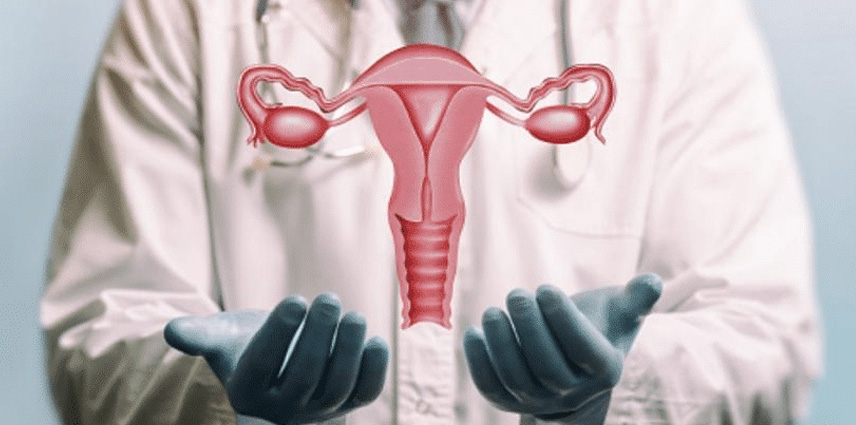
Comprehensive Care from a Specialized Gynaecological Oncologist in Churchgate, Marine lines in South Mumbai
Gynecologic cancers are complex malignancies that originate in the female reproductive system, including the cervix, ovaries, uterus, vagina, and vulva. Finding an experienced Gynaecological Oncologist in Churchgate, Marine Lines or Vashi in Navi Mumbai is crucial for accessing advanced therapeutic interventions. Our clinical practice is dedicated to providing cutting-edge surgical and medical oncology solutions tailored to the unique biological profile of each patient's tumor.
Expert Management of Female Reproductive Cancers in South Mumbai & Navi Mumbai
Early intervention remains the most effective tool in the fight against cancer. As a specialized Gynaecological Oncologist in Vashi, Navi Mumbai and South Mumbai, we focus on high-precision diagnostics, including targeted biopsies and advanced imaging (MRI/PET), to stage disease accurately before formulating a treatment plan.
Conditions Treated: We provide specialized surgical care for Endometrial (Uterine) Cancer, Cervical Cancer, Ovarian Malignancies, and rarer forms of Vulvar and Vaginal cancers. For residents seeking a Gynaecological Oncologist in Churchgate or Marine Lines, our South Mumbai facility offers comprehensive screening and preventive care, including HPV vaccinations and specialized Pap screenings.
Advanced Surgical Techniques: Robotic & Minimally Invasive Surgery
Modern oncology focuses on achieving "R0 resection" (total tumor removal) while minimizing the impact on the patient's body. As a leading Gynaecological Oncologist in Marine Lines and Churchgate, we utilize Minimally Invasive Surgery (MIS) to reduce hospital stays and post-operative discomfort.
- Robotic-Assisted Hysterectomy: Utilizing the latest robotic platforms in Vashi, Navi Mumbai to perform complex surgeries with unmatched precision.
- Ovarian Cancer Debulking & Cytoreduction: For advanced ovarian cases, we perform radical debulking to remove all visible tumor masses from the abdominal cavity.
- HIPEC (Heated Chemotherapy): Delivering heated oncology drugs directly into the abdomen during surgery to target microscopic cancer cells, a life-extending procedure available for patients in Navi Mumbai and South Mumbai.
- Fertility Preservation: Specialized "Trachelectomy" procedures for young women with cervical cancer, allowing for cancer cure while maintaining the potential for future pregnancy.
Why Choose Our Oncology Centers in Churchgate, Marine Lines & Vashi?
Choosing the right Gynaecological Oncologist in Vashi, Navi Mumbai means having access to a multidisciplinary team of medical oncologists and radiologists. Similarly, our South Mumbai centers in Churchgate and Marine Lines serve as hubs for excellence in surgical oncology, ensuring that patients receive world-class care without having to travel long distances.
From molecular profiling of tumors to the administration of PARP inhibitors and immunotherapy, our approach ensures you are receiving the most current, evidence-based treatment available today.
For expert consultation and a personalized treatment roadmap, contact Dr. Yogesh Bansod, a renowned Gynaecological Oncologist in Churchgate, Marine Lines & Vashi in Navi Mumbai.
Consult with our Best Gynaecological Oncologist
Have questions about your diagnosis? Connect with us directly via WhatsApp:
WhatsApp: 70215 95217 WhatsApp: 96190 09004Serving patients across South Mumbai (Churchgate/Marine Lines) and Navi Mumbai (Vashi).