- yogeshbansod490@gmail.com
- +91 7021595217 / 9619009004
- Mon - Sat: 09:00am to 06:00pm


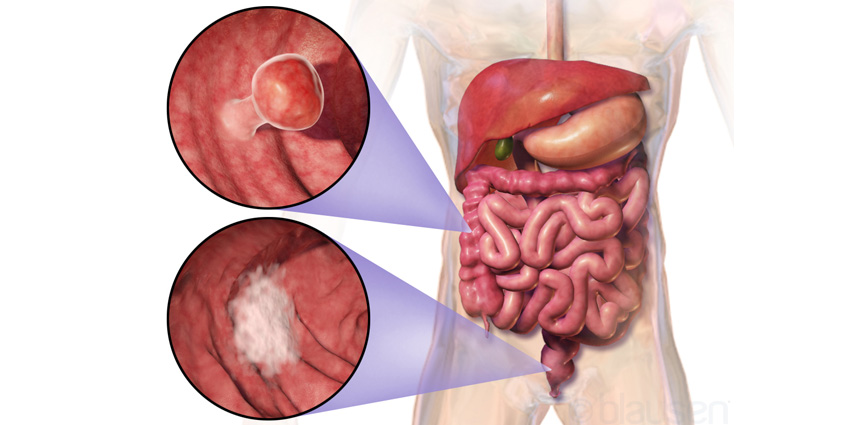
Comprehensive Gastrointestinal & Colorectal Cancer Treatment
Gastrointestinal (GI) cancers represent a complex group of malignancies affecting the digestive system. For patients seeking Gastrointestinal Cancer Treatment in Marine Lines, South Mumbai or Vashi, Navi Mumbai, our facility offers a blend of surgical excellence and compassionate care. These conditions affect the esophagus, stomach, liver, pancreas, and intestines, requiring a high level of precision in both diagnosis and surgical intervention.
Specialized GI Oncology Services in South Mumbai & Navi Mumbai
Early detection through advanced screenings like high-definition endoscopies and colonoscopies remains the gold standard. Our clinical approach focuses on total tumor removal while preserving organ function. Whether you are visiting us for Gastrointestinal Cancer Treatment in Vashi, Navi Mumbai or our Marine Lines, South Mumbai center, we utilize multidisciplinary protocols to ensure the best oncological outcomes.
Types of Cancers Treated: We specialize in colorectal, gastric (stomach), pancreatic, hepatobiliary (liver/gallbladder), esophageal, and anal cancers across our centers in Marine Lines, South Mumbai and Vashi, Navi Mumbai.
Advanced Minimally Invasive & Robotic Surgery
Modern surgical oncology has shifted toward techniques that minimize trauma. We offer state-of-the-art Gastrointestinal Cancer Treatment in Marine Lines, South Mumbai using Minimally Invasive Surgery (MIS) to ensure faster recovery and less post-operative pain.
- Laparoscopic GI Surgery: Precision removal of tumors in the colon and stomach through keyhole incisions, available in both South Mumbai and Navi Mumbai.
- Robotic-Assisted Resection: Enhanced 3D visualization and dexterity for complex gastrectomies and colectomies at our Vashi, Navi Mumbai facility.
- HIPEC (Hyperthermic Intraperitoneal Chemotherapy): A specialized treatment for advanced abdominal cancers, combining surgery with heated chemotherapy to target microscopic disease.
- TAMIS & ESD: Advanced endoscopic and trans-anal techniques to remove early-stage lesions without external scars.
Why Choose Our Centers in South Mumbai (Marine Lines) & Navi Mumbai (Vashi)?
Patients looking for Gastrointestinal Cancer Treatment in South Mumbai benefit from our integrated care model. From the initial biopsy to complex cytoreductive surgery, every step is managed by experts. Our center in Vashi, Navi Mumbai provides easy access to cutting-edge technology for residents in the neighboring regions, ensuring you don't have to travel far for world-class cancer care.
For expert consultation and personalized surgical planning, contact Dr. Yogesh Bansod, leading Surgical Oncologist in Vashi, Navi Mumbai and Marine Lines, South Mumbai.
Consult Best Surgical Oncologist in South Mumbai & Navi Mumbai
Connect with us directly via WhatsApp for quick queries:
Chat: 70215 95217 Chat: 96190 09004